
Humanity’s Hidden Blueprint: How Energy Channels Can Transform Your Health
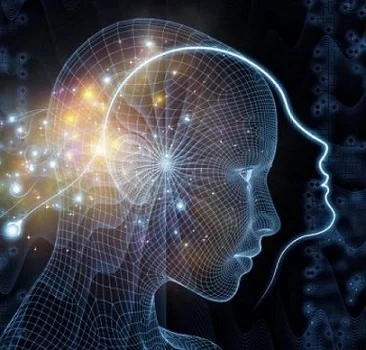
Imagine a healthcare approach that not only addresses physical symptoms but taps into the very energy that powers your body. For millennia, ancient healing traditions have recognized the importance of these energy channels, and now modern science is beginning to catch up. Could this be the key to transforming your health? Bridging Ancient Wisdom and Modern Science For thousands of years, Ayurvedic and Chinese Medicine Practitioners have healed the body through a deep understanding of the complex energetic network linking our organs, tissues, emotions and every aspect of our body. In Traditional Chinese Medicine, these ‘meridians’ are the channels along which an intelligent life force energy, or ‘Qi’, connects important organs and affects physical and psychological well-being. An example of the ancient perspective of ‘Qi’ is it being an intelligent life force which orchestrates cellular cooperation, communication and development during embryological development1. In Ayurveda, this intelligent life force energy is called ‘prana’ and is concentrated in these energetic channels called ‘nadis’. These ideas form the foundation of potent healing modalities such as acupuncture and ‘marma’ therapy, which concentrate on either preserving or restoring the free flow of this vital energy. Fascia: The Body’s Electrical Highway Often overlooked, fascia is the connective tissue, composed primarily of collagen that encases every nerve, muscle and organ in the body. But did you knoe that fascia is more than just a protective layer? It is mainly composed of collagen which is electric (or ‘piezoelectric’)2 making fascia an important electrical conduit. This is important considering our body’s processes are fundamentally electrical, ranging from nerve impulses and the heart’s pacemaker to the negative charge needed for all of our cells to stay alive. Fascia is therefore essentially an electrical web that connects the entire body. This could be especially important given the evidence of an 80% correspondence between acupuncture meridians and connective tissue planes with the connective tissue planes connected with these meridians shown to have a lower resistance, and therefore conduct electricity more efficiently, potentially explaining how acupuncture influences physiological processes3. As a result of the large body of evidence on the efficacy of acupuncture on various conditions elaborated below, we are beginning to see a shift in perspective in the medical community for the use of acupuncture. Yet, this still represents only a fraction of the change needed to fully integrate a truly holistic treatment of the body’s energetic channels to radically improve conventional healthcare. Acupuncture and Marma Therapy – Time Tested Approaches Acupuncture is not just an ancient practice, but a well documented & scientifically validated therapy with a proven track record in a wide range of conditions such as chronic pain4, depression5, anxiety6, chronic fatigue syndrome7, cancer related fatigue8, fibromyalgia9, insomnia10, weight loss11, nausea and vomiting12, ischaemic stroke rehabilitation13, menstrual pain14, menopause related symptoms15 and immune function16. It is a truly holistic therapy which influences the body through several interrelated mechanisms. By starting with the regulation of autonomic nervous system activity17, acupuncture impacts various physiological processes such as digestion, metabolism, and hormone regulation18. It then improves overall blood flow throughout the body, including the skin, muscles, and brain, by increasing nitric oxide production, which causes vasodilation and enhances circulation19. This boost in blood flow helps reduce pain and hyperalgesia, and improves cerebral blood flow and brain connectivity, aiding in conditions like stroke rehabilitation and Alzheimer’s disease20. The treatment also stimulates the release of endogenous opioids (endorphins, enkephalins, dynorphins) and non-opioid compounds (serotonin, norepinephrine, oxytocin, neuropeptides, ATP), which contribute to pain modulation and mood enhancement whilst also promoting anti-inflammatory cytokine production, which helps reduce inflammation21. Marma therapy is another truly holistic approach to health that goes beyond symptom relief and is an integral part of Ayurveda, focusing on energy centres in the body; with some differences to acupuncture. By manipulating these points, marma therapy not only targets physical ailments but also harmonises the mind, emotions and spirit. By manipulating Marma points, practitioners aim to influence the flow of Prana, removing blockages and restoring harmony between the body and mind22. Neuroacupuncture – Rewiring the Brain with Modern Science Neuroacupuncture is an approach I believe will revolutionalise the approach to various conditions such as multiple sclerosis23, stroke rehabilitation24, autism25 and complex regional pain syndrome26. It combines an understanding of traditional acupoints with modern neuroanatomy and neurophysiology to potentially reverse neurological damage and improve brain function almost instantly; which I have witnessed myself with this approach. This works through a restoration of ‘Qi’ from a Traditional Chinese Medicine perspective and from a scientific perspective, it works by improving blood flow, reducing inflammation and promoting neural regeneration offering hope for conditions once thought untreatable27. Electroacupuncture – Amplifying Healing with Electrical Stimulation Electroacupuncture can then take the benefits of acupuncture and neuroacupuncture a step further by adding a mild electrical current to the needles. This creates a deeper and more intense treatment to further enhance the body’s natural healing processes for faster and more effective results. Electroacupuncture has been particularly effective in treating chronic pain28, inflammatory conditions29, and neurological disorders30. The Future of Medicine: Integrating Ancient Wisdom with Modern Science As we move towards a more integrated understanding of health, it’s’ becoming clear that the future of medicine lies in combining the best of both worlds. By acknowledging the interconnectedness of physical, emotional, and energetic health, we can create a more effective and comprehensive approach to healing. The synergy of ancient practices like acupuncture and marma therapy with modern scientific advancements such as neuroacupuncture and electroacupuncture offers a powerful paradigm for transforming healthcare. References
Rediscovering Health: The Modern Relevance of Ancient Chakra Wisdom
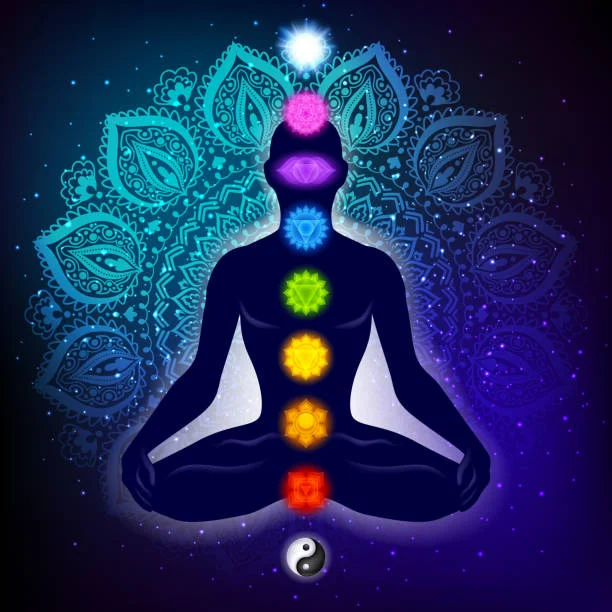
In today’s fast-paced, technology-driven world, optimal health may not be solely found in modern medicine but also in the ancient wisdom of traditional healing systems. One such profound system is the concept of chakras—energy centers that have guided holistic healing practices for millennia. While chakras might initially seem abstract or mystical, modern science is increasingly uncovering their significance, revealing a compelling connection between these energy hubs and our physical, emotional, and spiritual well-being. Ancient Healing for Modern Times The chakra system, often referred to as ‘wheels of light’1, has been a cornerstone of Eastern healing practices such as Ayurveda and Yoga for thousands of years2. This system comprises seven energy centers aligned along the spinal column, each crucial for regulating the flow of life force energy. Chakras are thought to act as intermediaries, transforming energy between physical, astral, and causal dimensions into forms usable by the body and by managing this vital energy, chakras influence our physical health, emotional well-being, and spiritual growth. Chakras are viewed as the organs of the subtle body and are intricately connected to the body’s energy channels, or ‘nadis’. These nadis parallel the meridians in Chinese medicine and align with major acupuncture points in Traditional Chinese Medicine. The concept of energy centers extends beyond these systems, appearing in diverse traditions such as Tibetan Buddhism3, Sufism4, and Western esoteric practices5. These energy centers are thought to absorb and process universal energy (such as ‘Qi’ or ‘Prana’) and channel it through nadis to the nervous system and endocrine glands affecting bodily functions and hormonal balance. Therefore understanding these energy centers might be crucial in understanding how to harness life force, maintain overall health, and achieve spiritual development, as each of the seven major chakras are often linked to specific physiological functions and psychological states, with disruptions often manifesting as related psychological issues. The Seven Major Chakras: An Overview While ancient wisdom emphasizes the spiritual dimensions of chakras, scientific exploration seeks to bridge this with anatomical understanding. An integration of the two perspectives will be essential to fully grasp how subtle energy could affect chakra function and overall health. The Scientific Perspective: Bridging the Gap Scientific research has provided foundational evidence supporting the existence of chakras and their role in regulating brain functions and influencing health. Studies by pioneers like Hiroshi Motoyama used an AMI device, which utilized electrodes to measure energy flow in the body’s meridians, providing insights into chakra activity based on electrical properties linked to nerve plexuses and endocrine glands12. Similarly, bioelectrography and Gas Discharge Visualisation techniques, developed by Konstantin Korotkov, captured corona discharges and photon emissions to visualise and analyse the energy fields surrounding the body13,14, 15. However, the most profound study seems to be a study16 conducted by UCLA Professor Valerie Hunt which used scientifically accepted methods to analyze subtle energy emissions from various chakras and the body’s energy field, or aura. This study was among the first to validate subjective observations of aura colors with objective electronic measurements. Researchers used electrodes placed on major chakra and acupuncture points during Rolfing sessions to detect low-level electrical signals. At the same time, aura reader Rev. Rosalyn Bruyere provided real-time verbal reports on the color, size, and movement of energy in the chakras and auric fields. The study combined these observations with electronic data, analysed using Fourier and sonogram analysis, to link physical, emotional, and spiritual states to specific chakra activities, colors, and frequency shifts. The alignment between Bruyere’s perceptions and the electronic measurements reinforced the study’s accuracy. The findings supported the traditional perspective that experiences and memories can be stored in body tissue17 and their associated colors to particular states: Red to pain, Orange to emotional release, Yellow to intellectual effort, Blue to calmness, Violet-Pink to spiritual and empathetic states, and White to spiritual experiences. Notably, a progression of energy flow from red to yellow, then blue, and white, was observed, potentially reflecting a rising kundalini – which is said to be an awakening of a transformative spiritual energy. Integrating Ancient Wisdom with Modern Science solution To fully harness the potential of the subtle energy system, science must continue evolving to bridge the gap between empirical research and ancient wisdom. While foundational evidence for chakras has been established, there is a need for a holistic, quantum-based model that reflects the atomic and cellular nature of the body. Such a model would integrate both biological and spiritual perspectives, creating a new paradigm that unites science and spirituality. In my practice, I consistently observe remarkable results using this integrative approach, which involves unblocking stored emotions in the body’s subtle energy system—both physically and through the subconscious—to facilitate a greater influx of vital energy. For example one patient who was unfamiliar with chakras reported seeing sequential colors in their mind’s eye from red to white, in the order of the chakras, as she experienced improved mental clarity and emotional stability whilst another started visualising a past life which provided her an explanation of a current predicament. I am confident that advancing our understanding of subtle energy through this integrative approach will unlock new frontiers in health and consciousness, validating ancient wisdom through modern scientific inquiry. As we continue to explore and embrace these methods, we move closer to a future where such approaches are widely recognised and scientifically validated. References
Do Ayurveda and Quantum Physics depict the same underlying reality?
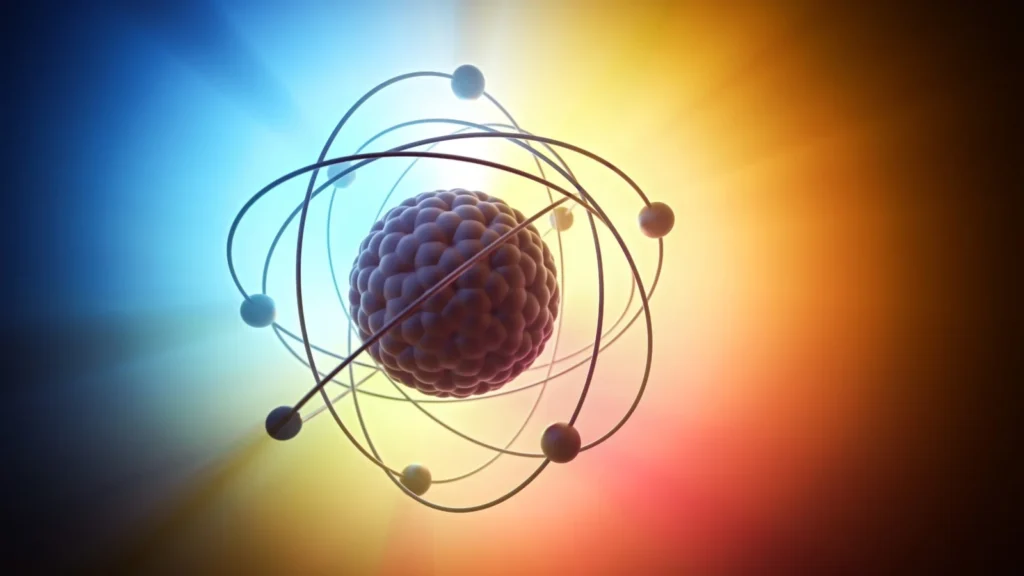
The Timeless Wisdom of Ayurveda Ayurveda, the world’s oldest healing system, rooted in ancient Indian tradition, provides a profound link between our health and the universe by associating our body types with the zodiac’s fundamental elements: earth, water, fire, air and ether. These elements, which serve as the building blocks of both the universe and ourselves, are central to many spiritual traditions, resulting in a connection between Ayurveda and a greater spiritual view of existence. Ayurveda takes a comprehensive and holistic approach to treatment, acknowledging that genuine health and happiness stem from the alignment of body, mind, and spirit with the cosmic order. This profound system, rich in spiritual wisdom from enlightened sages, is still extremely relevant in today’s world, highlighting that each person’s unique constitution, which includes body, mind, and consciousness, is the foundation for health. When these ingredients are in balance, we thrive; when they are disrupted, disease develops. Ayurveda is based on the idea that the cosmos, including our bodies, is made up of five elements known as ‘maha bhutas’. These elements correspond to different frequencies of the same fundamental material, known as ‘Prakriti’. From ether, the most ethereal and all-encompassing element, to the concrete and substantial earth, each element is a manifestation of awareness. This ancient knowledge appears to be impressively linked with present scientific notions, implying that what the sages of old intuitively knew can now be objectively verified. A Modern Parallel: Quantum Field Theory Modern science, notably quantum field theory and theoretical physics, is revealing surprising connections to the Ayurvedic concept of the universe. While traditional medical treatments frequently focus on biology and chemistry to comprehend the human body, it is rational to dive deeper into the nature of existence itself in order to address the core causes of sickness. This is where physics comes into play, providing deep insights into the underlying forces and particles that govern the cosmos and shape our reality. Quantum mechanics investigates the behaviour of subatomic particles including quarks, bosons, and photons, whereas quantum field theory broadens this understanding by integrating Einstein’s famous equation E=mc2 and proposing that all matter is a condensed form of energy1. It defines the particles described in quantum mechanics as excitations of these fields2. This viewpoint is consistent with Ayurveda’s belief that all matter is related through subtle vibrations and energies. It also corresponds to Nikola Tesla’s observation: “If you want to discover the secrets of the universe, think in terms of energy, frequency, and vibration”. A Unified Vision In 1987, quantum physicist Dr. John Hagelin postulated an interesting correlation between quantum field theory and Ayurvedic principles in his study “Is Consciousness the Unified Field? A Field Theorist’s Perspective”3. He drew analogies between the various spin classifications in quantum field theory and the five Ayurvedic elements, as follows: In Ayurveda, the element Earth is seen as the foundation of all solid structures, in the same way that the Higgs field in quantum field theory is responsible for providing mass to fundamental particles4. Water accounts for 60-90% of human body weight, is essential for normal physiological activities, and is regarded as the elixir of life – ‘jeeva’ – by all living beings in Ayurveda5. This appears to correspond to the matter field in quantum theory, which includes fundamental particles such as electrons and quarks, which are the primary elements of normal atoms and matter6. Furthermore, at a fundamental level, biological system dynamics are related with the transmission of energy and charge, the latter of which requires electrons, and protons7 which are made up of quarks. Fire in Ayurveda is associated with light, heat, and transformation, similar to the role of photons in quantum physics, which are subatomic elements of light that transport energy required for many chemical reactions8. They contribute to a variety of functions, including warming the Earth, driving photosynthesis in plants, and facilitating visual perception. At the quantum level, photons can transport electrons between different energy levels or orbitals within an atom, providing or releasing energy in the process. This activity is critical for initiating and driving chemical reactions required for life, such as those in the respiratory chain, where energy is extracted through coupled photon transfer to synthesise ATP and permit ion transport across membranes7. Understanding how gravity and dark matter act on cosmic sizes while remaining mysterious at the atomic and subatomic levels due to the lack of equivalent composite particles within quantum mechanics and quantum field theory is one of contemporary science’s greatest riddles. Gravity, according to Einstein’s general relativity, is a property of spacetime rather than a force that propagates across it. Similarly, dark matter’s presence is inferred from its gravitational effects on stars and galaxies, but it does not appear to interact with electromagnetic forces, making it undetectable. The origin of life in the cosmos is assumed to be feasible due to dark matter, however it could be claimed that its true nature will only be disclosed through additional observations and research. In Ayurveda, the elements Ether and Air signify expanding and energetic powers. Ether, with its relationship with the enormous, underlying fabric of space, is analogous to gravity, which changes spacetime despite its weak interactions, making the hypothetical graviton, a particle with a spin of two, difficult to detect. Air, which represents movement and influence throughout space, may be analogous to dark matter, which has gravitational effects on a cosmic scale but cannot be detected by normal methods. The gravitino, a theoretical particle with a spin of 3/2, is presented as an explanation for the elusive character of dark matter, but it, too, has not been seen9-12. Dr. Hagelin’s similarity extends to supersymmetric theory, where the interaction of quantum fields resembles the Ayurvedic concept of doshas. In this theory, multiple quantum fields interact to generate three distinct superfields, each representing an Ayurvedic dosha: These connections in Ayurveda and quantum physics indicate a deep relationship between nature’s fundamental forces and the energy that shape our existence. Just as the Higgs field interacts with matter fields to provide mass,
The Paradigm Shift: Integrating Ayurveda with Cutting-Edge Science
While conventional Western medicine can be effective in treating acute problems, it frequently falls short in addressing chronic disorders and determining the root causes of disease. This system focuses on symptoms rather than underlying causes, offering only temporary relief. The public is becoming increasingly aware that true healing extends beyond pills and surgery to include a holistic approach that addresses the mind, body, and spirit. How Modern Medicine Lost Its Holistic Roots The 1910 Flexner Report fundamentally reshaped medical education, steering it toward a more technical and symptom-focused model while sidelining holistic approaches in favour of patentable medications. Over time, this shift has eroded the compassionate core of the healing profession. Doctors, traditionally regarded as holistic healers, are now often perceived as technicians, treating patients as a number and a collection of symptoms whilst heavily relying on pharmaceuticals. Western medicine’s mechanistic approach, rooted in Newtonian physics, treats the body as a machine made of separate parts. This reductionist view, which defines health solely as the absence of disease, overlooks the interconnectedness and dynamic nature of the body. As a result, the art of treating the whole person and fostering human connection has been diminished, leading to a system that often neglects the essential human element of care1. Modern medicine faces significant challenges, including the rise of “iatrogenic” diseases – illnesses caused by medical interventions, which have become the fifth leading cause of death globally with 5-10% of hospital admissions resulting from adverse drug reactions2. The culture of overmedication, fuelled in part by pharmaceutical companies’ ties to healthcare institutions and pharma-funded studies, frequently distorts outcomes, declaring drugs effective and influencing treatment decisions. This has resulted in widespread antibiotics misuse, fueling drug-resistant infections3. Even effective treatments like surgeries or radiation can weaken the immune system, while the long-term benefits of procedures can sometimes remain uncertain4. These issues highlight the urgent need for more comprehensive, preventive healthcare solutions that address the root causes of disease. This concern is compounded by the fact that good science can be suppressed through the politicisation of research5, the “science for hire” industry, and corporate practices that undermine legitimate findings6. Alarmingly, it can be argued that only about 15% of medical interventions are supported by solid scientific evidence, owing in part to the fact that only 1% of articles in medical journals are scientifically sound7. Two editors from prestigious medical journals have expressed deep concerns about the reliability of scientific research, pointing out that a significant portion is unreliable or even false8. This raises serious questions about the trustworthiness of medical guidelines and scientific findings that influence global healthcare decisions, particularly when research integrity is compromised by corporate interests. Why Modern Medicine Fails Patients with Complex Chronic Conditions The majority of healthcare costs and services are directed towards controlling about 15-25 chronic conditions which are the leading causes of death and disability9. Patients with complex chronic conditions such as Irritable Bowel Syndrome, Fibromyalgia and Chronic Fatigue Syndrome are often poorly managed and dismissed because conventional medicine struggles to identify structural or biochemical causes. As a result, their symptoms are frequently dismissed as psychiatric or “all in their head”, compounding their distress and leaving them feeling unheard, frustrated, and vulnerable to mental health issues like depression and suicidal thoughts. Many patients navigate a healthcare system that fails to address their needs, spending years in search of accurate diagnoses10. In reality, these issues could frequently be representing the early stages of disease development, and addressing them proactively and in a comprehensive manner could prevent more serious health problems in the future. Furthermore preventative care, arguably the key to long-term health, remains underutilised. Studies show that preventive interventions are cost-effective and offer significant long-term benefits11. However, Western medicine struggles to treat and reverse the major chronic diseases that increasingly are the primary root causes of premature and costly illness and death12. While Western medicine provides valuable insights into managing single risk factors like sugar and alcohol, shifting recommendations on fats, vitamins, and exercise, have led to uncertainty about how to achieve optimal health13. This inconsistency, combined with difficulties with patient adherence, has made it difficult to achieve lasting health improvements, ultimately neglecting the broader goal of fostering long-term wellness. Ayurveda’s Timeless Approach to Heal the Root Causes of Disease Ayurveda, the most ancient yet living holistic system of medicine, with a rich and uninterrupted legacy spanning thousands of years offers a unique approach by focusing on the root causes of disease, empowering patients and promoting healthy lifestyles14. By addressing imbalances before they develop into illness, Ayurveda effectively reduces the need for costly interventions, moving beyond merely treating symptoms. Its rich tradition, grounded in profound science, philosophical wisdom and real-world application aligns with the increasing trend towards personalised medicine15. Ayurveda’s approach to health, emphasising disease prevention and addressing the interconnected needs of mind, body, and spirit, resonates with modern values of sustainability and minimal side effects. Its natural remedies, like herbal treatments, have fewer side effects compared to many allopathic medicines with a synergistic action of medicinal plants to enhance healing16,17. By encouraging self-awareness, trust-based relationships, and self-care practices, Ayurveda fosters long-term well-being. What sets Ayurveda apart further is its ability to adapt to modern healthcare challenges without losing its foundational principles18. It offers consistent, proven solutions even in an era of constantly shifting medical advice. Its practical application in daily life makes it accessible and offers a comprehensive path to health and well-being. By diagnosing subtle imbalances that extend beyond conventional diagnostics, Ayurveda provides a sustainable solution that often delivers more satisfying results than reliance on continuous medication19. The Science Behind Ayurveda’s Holistic Approach Recent scientific advancements are increasingly validating Ayurveda’s ancient wisdom, particularly through its alignment with quantum theory and consciousness studies. Leading physicists like Max Planck, Erwin Schrödinger, and Albert Einstein have emphasised consciousness as a fundamental aspect of reality20, which reflects Ayurveda’s concept of “Purusha” or universal consciousness. This concept fosters health by balancing the mind and body. Studies proving the “Maharishi Effect” further support this holistic
A Doctor’s Personalised Approach to Holistic Health and Natural Healing

There are millions of people who take medicines every day that will not help them1. As a conventionally trained doctor, I worked across various specialities, learning from some of the most respected professionals in each field. However, I began to notice a significant gap in our medical training. We were taught to focus primarily on treating symptoms with pharmaceuticals, yet we barely scratched the surface when it came to understanding the deeper causes of disease, inflammation, fatigue and much more. It became clear to me that true healthcare required more than just symptom management, it needed a holistic approach, where we looked at the whole person at a deeper level. While medications could be a temporary solution for acute conditions, long-term use could not only be quite harmful2-12, but cause devastating chronic nutrient depletion13-14 and ultimately create more health problems. Additionally, I started to question how it made sense to rely on medications in the long term that interfere with the body’s natural functions and potentially harm vital organs and systems in the body over time without exploring alternatives that support its innate ability to heal15. It was clear that we as doctors had reached a limit in our ability to manage chronic disease and ‘energy deficiency’ using conventional tools16. As I delved deeper, I realised that many vital discoveries and fundamental health principles were not being effectively communicated or taught in medical training. This left doctors without the tools to fully guide patients toward optimal health and vitality. In addition, some of the most crucial diagnostic tests were either unavailable or overlooked, and I noticed that standard lab work often failed to provide the comprehensive insights needed for long-term health management. This realisation marked the beginning of my journey to explore a broader, more integrative approach to health to address these concerns more fully. I began investigating the power of nutrition, lifestyle changes, the subconscious mind, and the ancient wisdom of systems like Ayurveda and Chinese medicine which are thousands of years old. These approaches offered not just symptom relief but also the possibility of reversing disease by addressing its underlying causes. The rest of this article may challenge some of the conventional wisdom you’re familiar with, especially what doctors and healthcare practitioners are typically taught, but I encourage you to read the rest with an open mind. It’s possible that the path to optimal health and lasting energy doesn’t lie solely in modern medicine, but in a balanced approach that integrates the best of ancient healing and modern science. The First Generation of Medicine: Breaking Free from Conventional Medicine Understanding the Limits of the System As a conventionally trained medical doctor, I was taught to focus on disease models, where treatment typically begins only after symptoms appear. While this approach can be helpful in acute conditions, it felt increasingly reactive and limited. This is in contrast to ancient forms of healing where a more proactive approach enabled a more comprehensive treatment even before symptoms appeared, for example through pulse diagnosis. The heavy administrative burden, tight schedules and reliance on standardised drug protocols turned me and my colleagues in to pill-dispensing technicians, focusing on quick fixes to manage symptoms, rather than reversing the root cause of illness. But medicine, at its core, is humanity’s most sacred healing profession. The focus should be on promoting long-term health and reversing disease, not long term medication dependence and associated side effects. The Gap in Medical Training: What’s Missing? In medical school, we had our own medical “bible” that focused extensively on matching certain doses of medications to clusters of symptoms. Yet, glaring gaps in training existed around nutrition, exercise, supplements, natural remedies and integrative therapies; crucial elements in true health. This felt like just the tip of the iceberg. Discussing alternative approaches with colleagues often led to confident scepticism with an unwillingness to investigate further. They were convinced that medical consensus, based on rigorous scientific research with strong mechanisms in place to ensure scientific integrity, meant we had already found the most effective treatments. But I started to question this mindset. Why Conventional Medicine Falls Short Doctors are taught to view randomised controlled trials as the gold standard of evidence. These trials typically isolate a single variable, such as a drug or intervention, and apply it to patients in highly controlled settings. But from a holistic perspective, this oversimplifies health. Individual differences, lifestyle factors, and the interconnected nature of our mind and bodies were being ignored17-19. Take nutrition as an example: A poor diet causes more deaths globally than any other risk factor20, yet nutrition research is often skewed by commercial interests21. The focus needs to shift from “blockbuster” drugs and population-based data to individual, personalised health responses, where individual factors guide treatment1, 22. The Bigger Problem: Profit Over Patients Public awareness is growing around the influence of large corporations which prioritise profit over nutrition; using similar strategies to corrupt scientific research in the agricultural industry21. The diversity and nutritional quality of our food supply have declined, further exacerbated by food processing23, 24 and post-harvest practices25, 26 creates a perfect storm for widespread health issues27, 28. Whilst organic farming offered a more nutrient-rich alternative, cases of fraud have exposed vulnerabilities in global supply chains in that industry as well29, 30. COVID-19: A Wake-Up Call to The Flaws in Health and Science Systems Following the initial fear surrounding the COVID-19 pandemic, there was a rapid increase in public awareness about the state of our healthcare systems, exposing inherent flaws in our failing healthcare system31-36 as well as the influence of political and commercial interests on scientific research. The public witnessed firsthand the censorship37, 38, media oversimplification39, and the close ties between pharmaceutical companies, legislation, the medical community, research institutions and health organisations which created a system that was biased towards long-term, profitable drug treatments over more comprehensive, integrated and holistic approaches to health40-43. This stark reality exposed a troubling truth: from a commercial perspective, a patient cured means a customer lost. The manipulation of science itself seems